
Resources
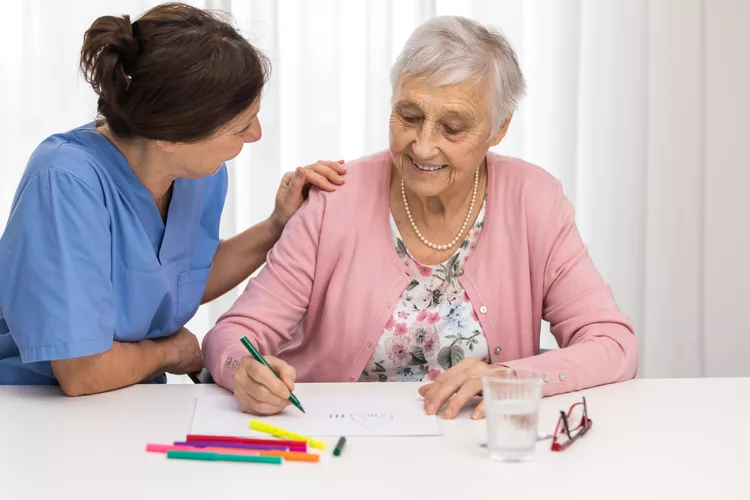
LEARN MORE ABOUT ART THERAPY AND HEALTH
Art therapy has been studied for its effectiveness in addressing different aspects of health. Art has demonstrated benefits for supporting general physical health and mental health, and also specific brain health and various brain disorders. Here are examples of published scientific research that examined the role of art therapy in improving health:
Findings = Art therapy is commonly used to treat mental illnesses, aiding in controlling behaviors, slowing cognitive decline, and enhancing quality of life. It facilitates freer self-expression, improved mental health, and better interpersonal relationships.
Findings = This paper explores the psychological and neurological effects of art therapy, highlighting its potential in treating conditions like PTSD and Alzheimer’s disease. It discusses how art therapy can lead to positive changes in neural connections and emotional well-being.
Findings = Studies indicate that art therapy is associated with significantly improved cognitive performance in individuals with cognitive impairments, including mild cognitive impairment (MCI). Participants showed gains in immediate memory and working memory span.
Findings = The research supports that art therapy is valuable for rebalancing brain functions compromised by trauma, attachment disruptions, and other emotional losses, facilitating recovery through artistic expression.
Findings = This systematic review evaluates empirical evidence of art therapy’s effectiveness for trauma treatment, suggesting it can be a beneficial intervention for traumatized individuals.
Findings = Art therapy interventions can decrease anxiety and depression in cancer patients, and can also have positive effects on positive effects on patients' personal growth, coping, self-expression, and social interaction.
Findings = Structured art therapy can be used as a psychosocial approach to produce significant cognitive benefits in older adults with mild cognitive impairment, especially in the improvement of attention and short-term and sustained memory.
Findings = Art therapy as a form of visual narrative in adult oncology care aids patients in expressing their experiences, and can likewise aid pediatric patients with epilepsy, asthma, and cancer gain insights into their emotional states. It is important to integrate art therapy into interdisciplinary healthcare teams to enhance patient care through creative expression.