
Programs
Have A HeARTS at Memory Care Assisted Living Communities
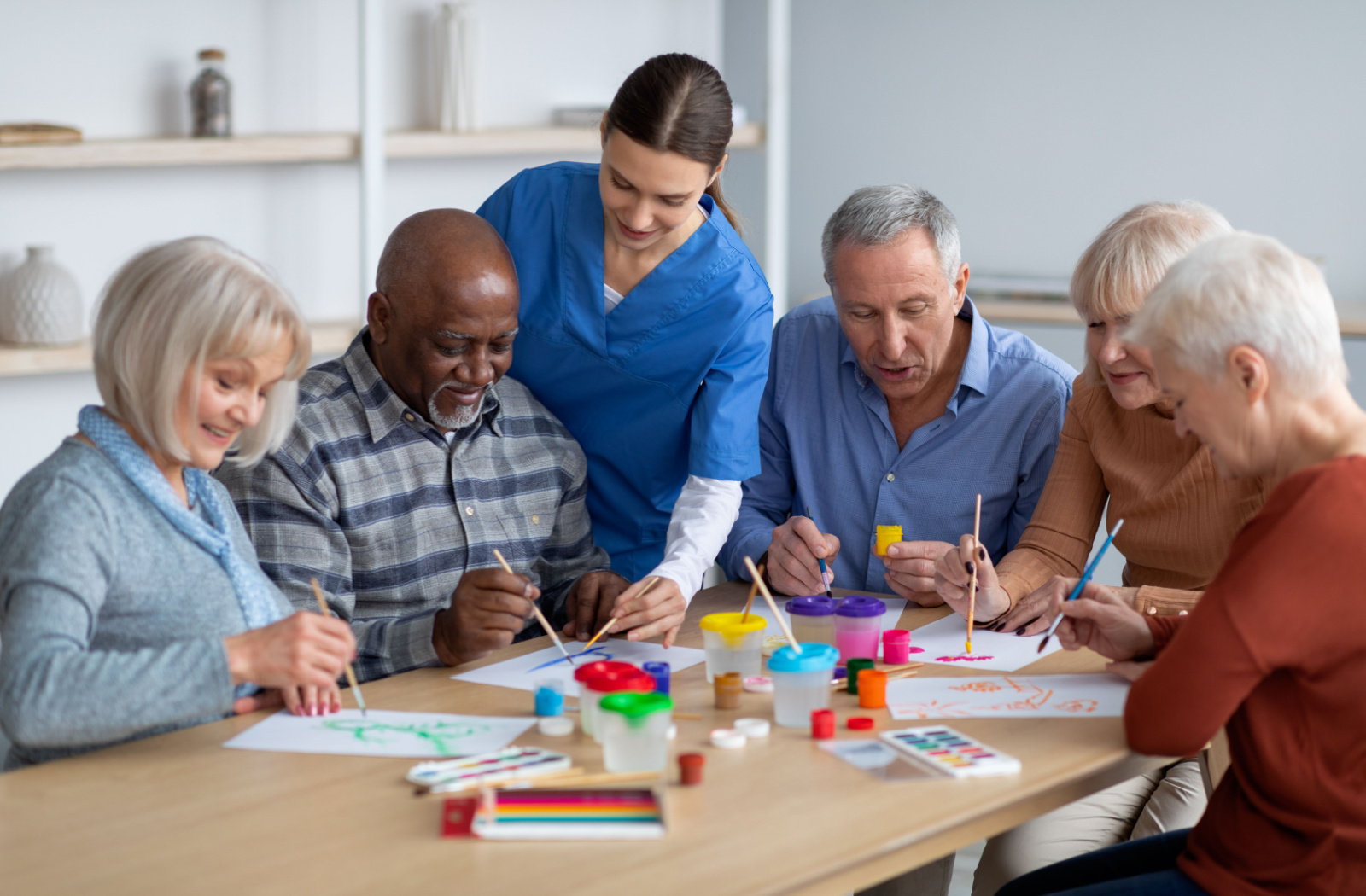
Addressing dementia is a core function of Have A HeARTS! Our organization places student volunteers in assisted living facilities’ memory care units to lead art intervention sessions among seniors with early-stage and middle-stage dementia. Those sessions feature evidence-based art interventions that include activities to enhance the well-being and quality of life for individuals with dementia throughout Maryland communities.
Have A HeARTS art intervention sessions feature a variety of activities that include drawing, painting, coloring and music. Sessions are convened in Maryland assisted living locations on a weekly or monthly basis. Session activities are designed to support memory, reduce anxiety, and encourage creativity. Each activity is simple, engaging, and adaptable to different skill levels. Have A HeARTS offers art support services; we are not licensed art therapists and therefore, do not provide therapy. Our art support services are primarily performed by students who implement evidence-based art interventions.
Maryland is the home state of Founder, Sia Lakshmi Sampson and recently released statistics made dementia a top priority for Have A HeARTS local initiatives. In 2024, Sia learned of Maryland being identified as the state with the highest prevalence of Alzheimer’s disease dementia in the United States. This unique distinction, combined with Sia’s neuroscience interests, sparked a strong determination to help reduce dementia burden for Marylanders through art intervention.
Art Therapy and Dementia
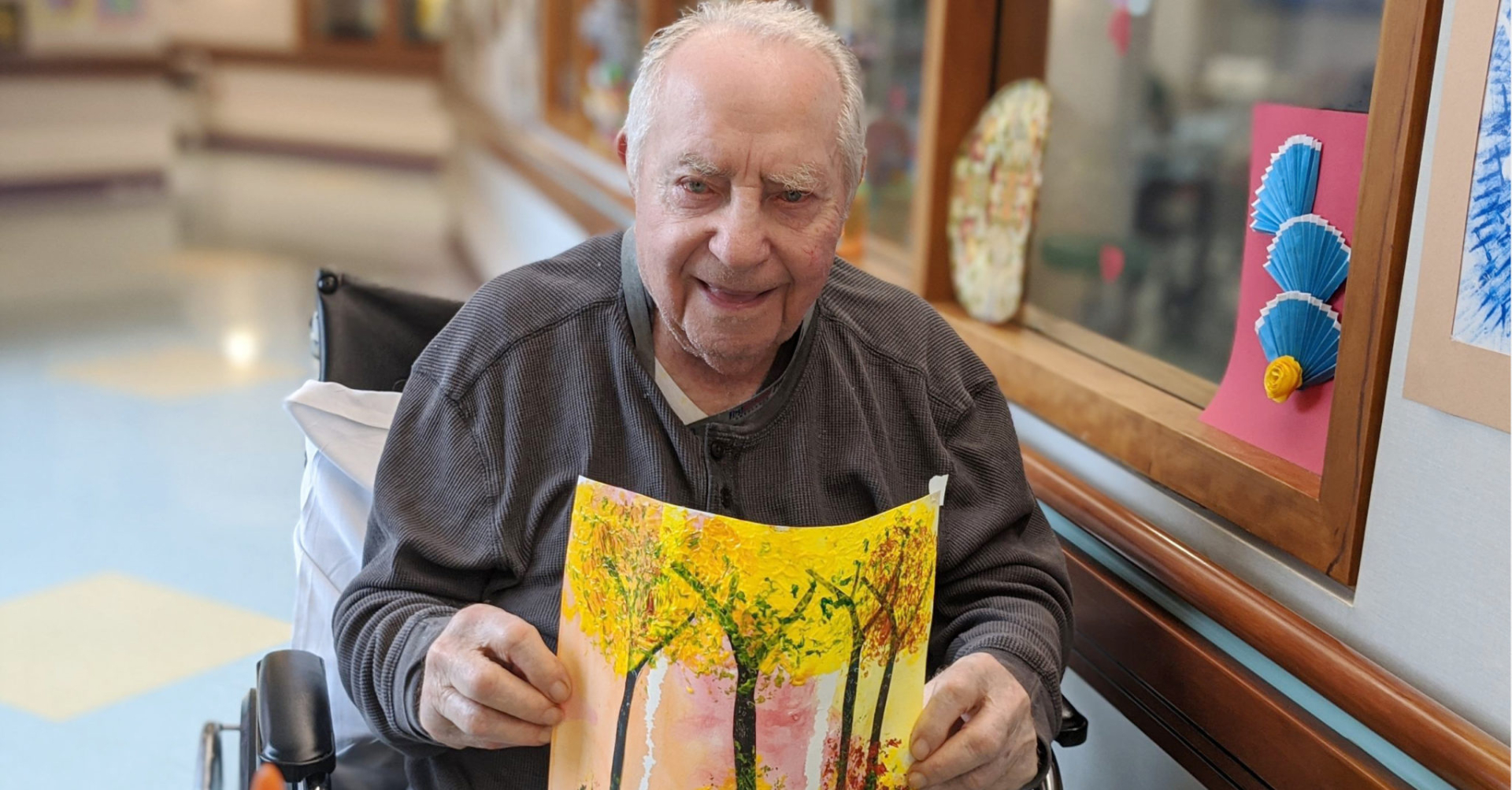
Art interventions have emerged as a promising approach to improving the quality of life for individuals with dementia. By engaging individuals and groups in creative activities such as painting, drawing, and sculpture, these interventions provide therapeutic benefits that extend beyond traditional medical treatments. They address the cognitive, emotional, and social challenges associated with dementia in a holistic and empowering manner.
One of the primary benefits of art interventions is their ability to stimulate cognitive function. Dementia often leads to memory loss and difficulty with language, but creating art taps into areas of the brain that remain relatively intact, such as those governing creativity and emotional processing. For instance, art activities help activate neural pathways associated with visual and spatial reasoning, offering patients a non-verbal way to communicate and express themselves. Studies show that engaging in art-making can improve attention span, stimulate memory recall, and even slow cognitive decline.
Emotionally, art provides a safe and expressive outlet for individuals with dementia. People often experience frustration and anxiety as they struggle with daily tasks and interactions, but art-making allows them to focus on the present moment. The process of creating can reduce agitation, elevate mood, and enhance overall well-being. Many participants in art therapy report feelings of accomplishment and self-worth as they see their ideas come to life on canvas or paper.
Socially, art interventions encourage connection and interaction, which are vital for combating isolation—a common issue among individuals with dementia. Group art therapy sessions foster a sense of community, providing opportunities for participants to share experiences and form meaningful relationships. Caregivers and family members also benefit from these sessions, as they offer moments of joy and shared understanding with their loved ones.
Art interventions offer a powerful, non-pharmacological approach to addressing the challenges of dementia. By fostering creativity, improving emotional well-being, and promoting social engagement, these activities help maintain a sense of identity and dignity. Incorporating art into dementia care not only enhances the quality of life for individuals with the condition but also strengthens the bonds between patients, caregivers, and communities.
Learn More
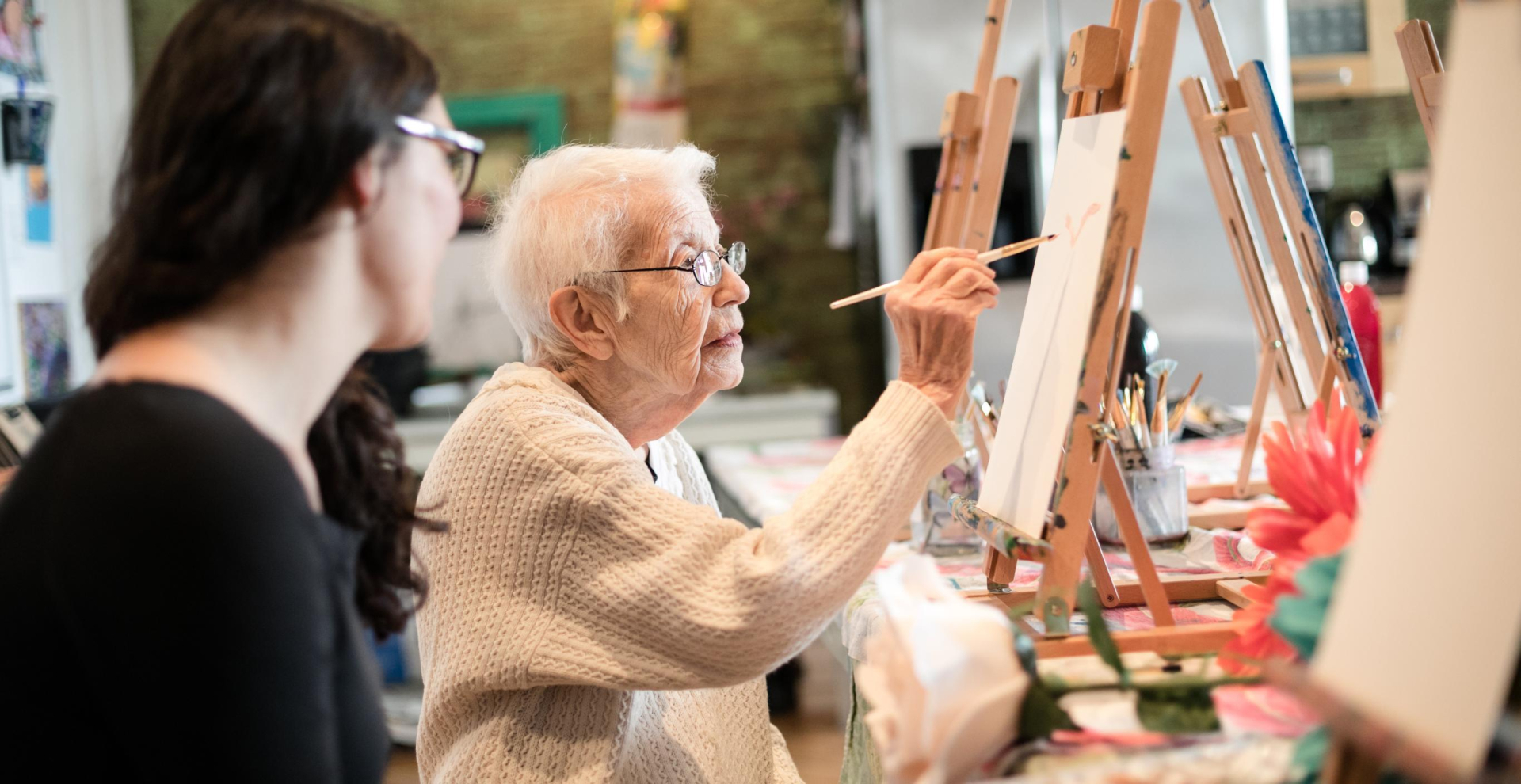
Below are examples of published scientific research addressing the role of art therapy in dementia care and treatment.
Findings = This review evaluates the efficacy of art therapy as a non-pharmacological intervention for dementia, suggesting improvements in well-being and quality of life.
Findings = Art therapy facilitates self-expression through sensory stimulation, which can be beneficial for individuals affected by dementia.
Findings = Non-pharmacological therapies, including art-based interventions, impact neuropsychiatric symptoms and quality of life in people with Alzheimer’s disease.
Findings = This study examines the effects of art therapy and reminiscence therapy on alleviating agitated behaviors in older adults with dementia.
Findings = Art therapy has been shown to effectively treat symptoms faced by persons with dementia, potentially aiding in the prevention of cognitive decline.
Have A HeARTS at Hospitals
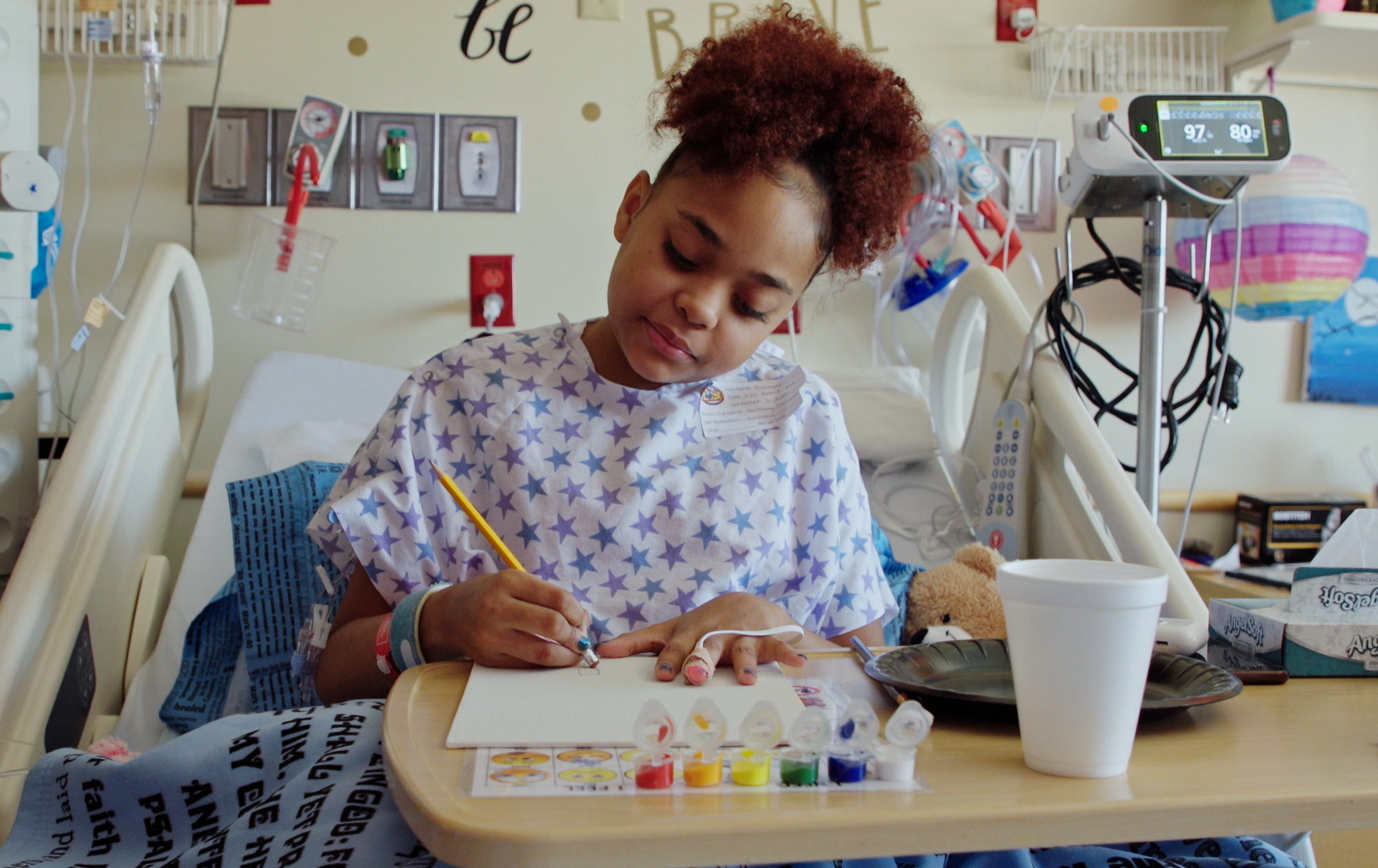
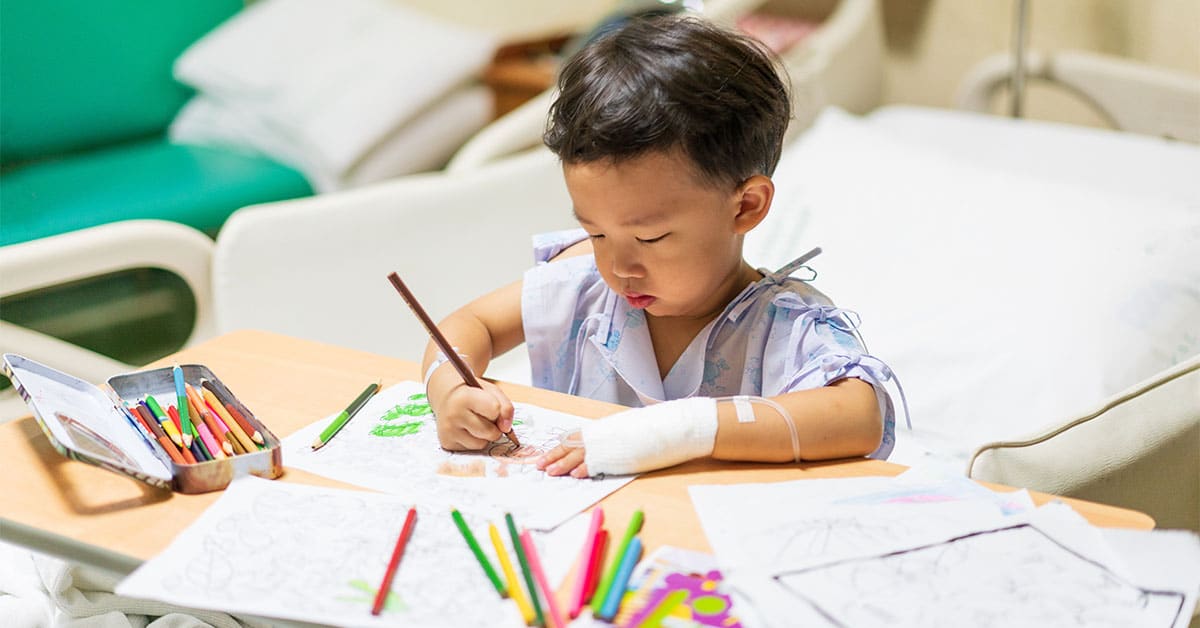
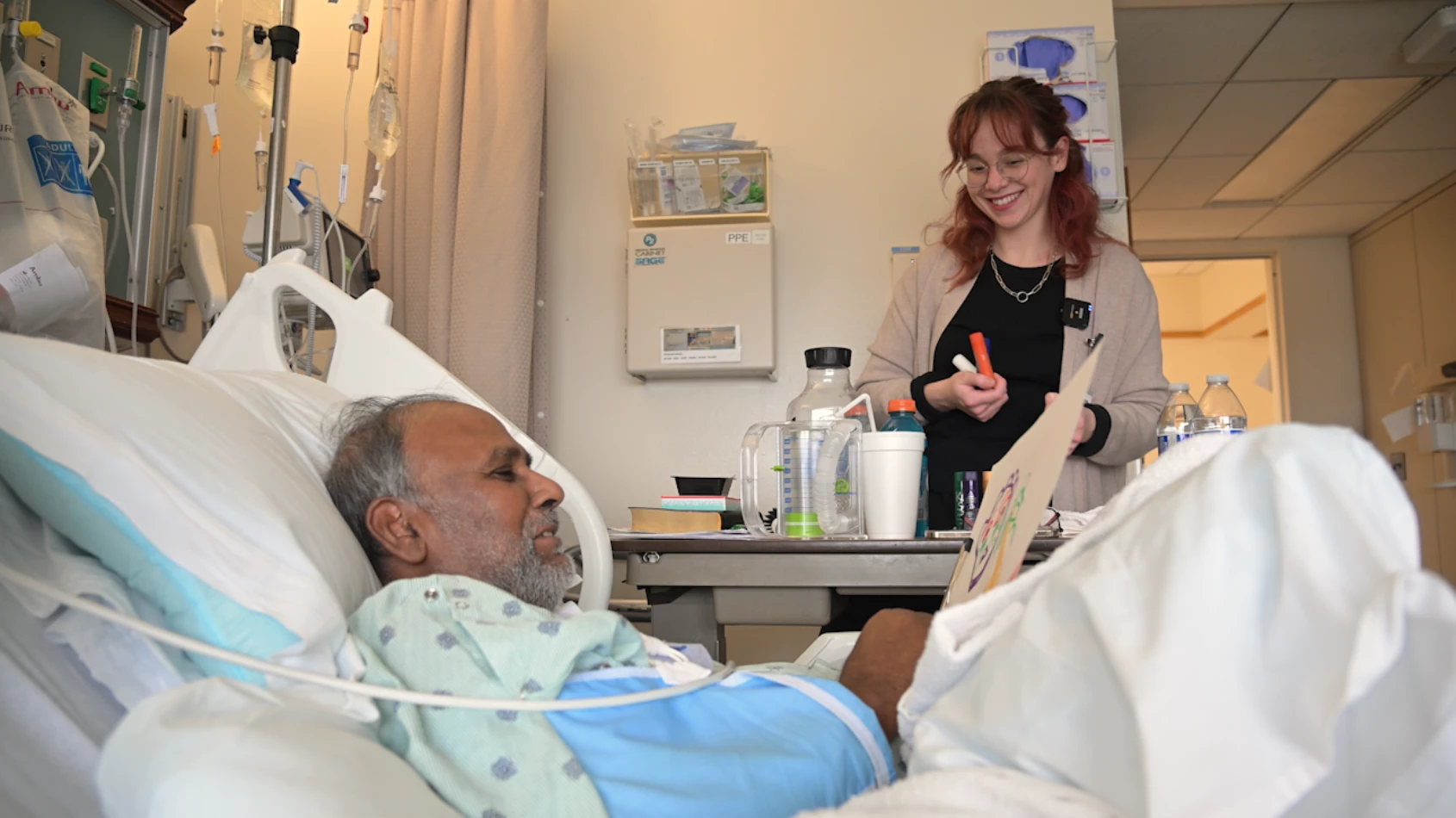
Supporting the healing and well-being of patients in hospital settings is an important component of Have A HeARTS community service! Our organization lends support to hospitalized patients in a variety of ways, from art intervention sessions to handmade arts and crafts gifts, as they undergo treatment for an array of illnesses. Student volunteers lead hospital-based art intervention sessions with individuals or groups among patients of all ages aimed at contributing to improved mental and physical health. Student volunteers also create handmade greeting cards and artisan goods for distribution to those receiving inpatient care during target holidays.
Have A HeARTS art intervention sessions feature a range of activities that include drawing, painting, coloring, and music. Sessions are convened in Maryland and Washington, DC and are designed to support patient resilience and coping, communication and creative expression, and anxiety and depression. Each activity is simple, engaging, and adaptable to different skill levels. Have A HeARTS offers art support services; we are not licensed art therapists and therefore, do not provide therapy. Our art support services are primarily performed by students who implement evidence-based art interventions.
Art Therapy and Hospital Patients
Art interventions can improve health for hospital patients through a combination of psychological, emotional, physiological, and social mechanisms. Integration of art-based interventions into patient care can have a positive impact. Whether through active art-making or guided observation, such approaches can significantly enhance the emotional and psychological well-being of hospitalized individuals.
Numerous studies have linked art therapy to:
- Lower anxiety and depression scores
- Reduced pain and nausea perception
- Improved quality of life
- Increased resilience and coping
- Better patient satisfaction with hospital care
Learn More
Below are examples of published scientific research addressing the benefits of art therapy in hospital patient populations.
Findings = The integration of art therapy into hospital care could improve patient health outcomes. Patients exposed to art interventions experienced improved clinical outcomes, including better vital signs, reduced stress-related cortisol levels, and decreased need for sleep-inducing medication.
Findings = This systematic review encompassed 69 studies with roughly 4,200 participants aged 4-96 years. The meta-analysis found that visual art therapy was associated with improvements in depression, anxiety, self-esteem, social adjustment, and quality of life. Visual art production can significantly improve psychological resilience.
Findings = Art therapy could serve as a valuable tool for assessing and addressing psychological health conditions in military populations with traumatic brain injury (TBI). Emergent patterns of resilience and risk embedded in the use of images created by the military participants could provide valuable information for patients, clinicians and caregivers.
Findings = Bedside visual art intervention significantly improved cancer patients' positive mood and pain scores as well as decreased negative mood and anxiety.